The FAO is a part of the United Nations. FAO stands for Food and Agriculture Organization.
To help with this global food crisis the FAO is establishing more guidelines to help understand the production and consumption issues our globe is facing right now.
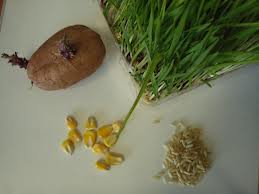 | An interesting quote I found on the FAO website said "According to FAO, the caloric intake of most people on the planet is
based today on only four crops: rice, maize, wheat and potatoes. Our
dependence on a few crops has negative consequences for ecosystems,
food diversity and our health."
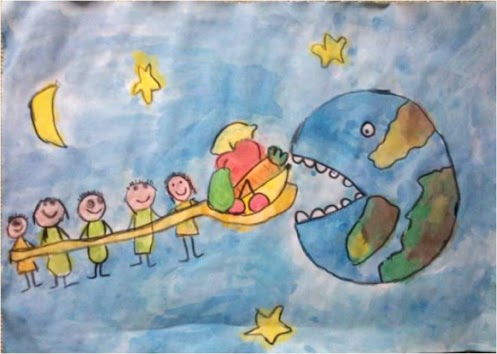
While almost 870 million people go hungry, an even greater amount of people suffer from malnutrition and are overweight or obese. And even as inadequate access to food causes suffering in poor countries, every year consumers in industrialized countries waste 220 million tons of food, an amount equivalent to sub-Saharan Africa's total annual food production," said Graziano da Silva. |
A possible solution would be to change part of our diets and not rely on the major four food groups that most of the world consumes: wheat, maize, rice, and potatoes.
Quinoa
At a seminar December 10, 2012 in Córdoba Spain, Graziano da Silva spoke on Quinoa and encouraged people to eat other foods. "Quinoa is the only cereal that contains all the amino acids needed by human beings," Graziano da Silva noted. "Besides, it adapts well to growing in all altitudes from sea level to the Andes". Quinoa has great potential to contribute to global food security for its high nutritional value and its ability to adapt to various climatic and geographical conditions. "For millennia, communities have developed crops in harmony with the environment, using the rich natural surroundings. And so food is also part of our culture and identity", said Graziano da Silva. He cited the example of the Maya, who called themselves ‘people of corn' "We must not lose track of our agricultural and culinary roots, nor the lore and wisdom of our ancestors. On the contrary, we must learn from them, to ensure that our future has even more diversity," he concluded. | 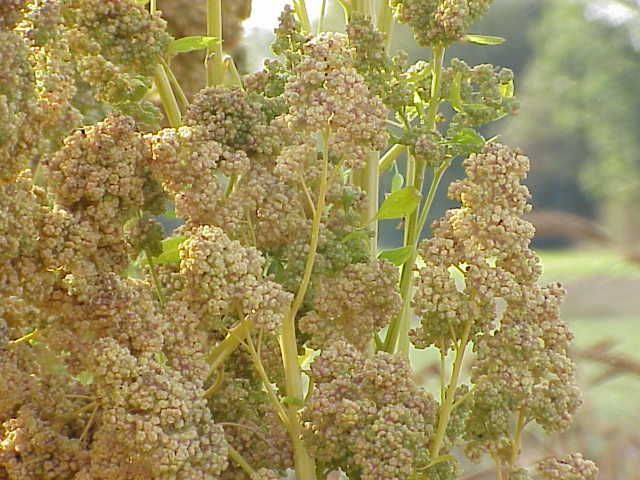 |
 |
